
 Go back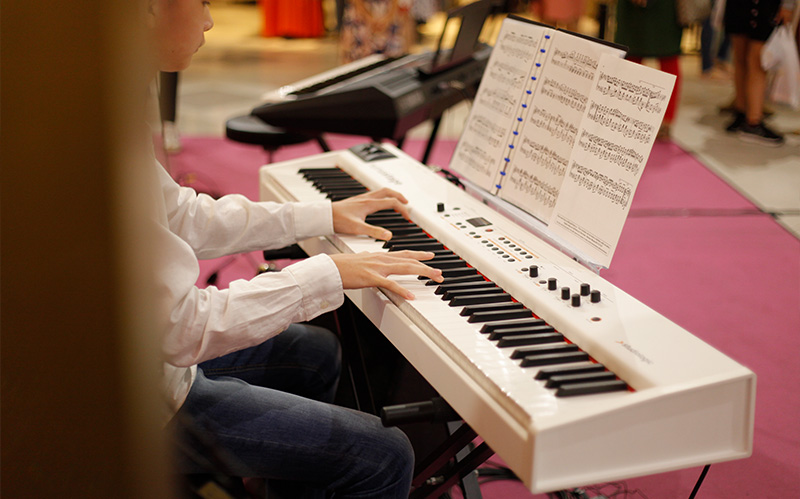
Practice Doesn’t Have to Be a Chore: Making Music Fun at Home
Key Takeaways:
- Children often make better progress when they learn music at home through enjoyable, everyday activities rather than long or pressured practice sessions.
- Turning practice into interactive activities and involving the whole family can help children stay motivated while building positive associations with music.
- Short, consistent practice sessions are often more effective than infrequent, lengthy ones, especially for younger learners with shorter attention spans.
- Recognising small achievements and celebrating steady progress helps build confidence, resilience, and a lasting enjoyment of making music.
How to Make Music Practice Something Children Enjoy
Music practice should not feel like a chore. Yet for many families, encouraging children to sit down and practise can become a daily struggle. What begins with excitement can gradually turn into reminders, negotiations, and frustration for both parents and children.
The encouraging news is that meaningful progress does not depend on long practice sessions. Children often learn music at home well when it becomes a natural part of everyday life through activities that are playful, engaging, and free from unnecessary pressure.
With a few simple changes, practice can become something your child genuinely looks forward to. Here are five easy ways to make music an enjoyable part of your family’s routine.
1. Turn Practice Into a Game
Children naturally learn through play, so bringing that same sense of fun into music practice can make a big difference.
Instead of asking your child to repeat the same piece over and over, turn practice into a simple game. They might earn points for playing a section correctly, use a timer to stay focused on a short exercise before taking a quick break, or collect stickers after reaching a small goal. These musical games help shift the focus away from perfection and towards enjoying the learning process.
Stickers and small rewards work best when they celebrate consistency, effort, or improvement rather than only getting everything right. You can also introduce fun weekly goals, such as learning a short melody or recognising all the note names without looking. Celebrating each milestone, no matter how small, keeps children motivated and encourages them to approach every practice session with confidence and enthusiasm.
2. Play Along With Your Child
You do not need to be a musician to make practice more enjoyable. Simply getting involved can make practice feel more enjoyable and encouraging.
Sing along to familiar songs, clap rhythms together, dance to the beat, or be your child’s audience as they perform. These shared moments show children that music is not just another activity to complete, but something that can be enjoyed with the people around them.
Joining in also shows children that you value what they are learning. When parents sing, clap along, or simply listen with interest, practice feels less like something they have to do alone and more like an activity everyone can enjoy. Family bonding often grows naturally from these shared experiences.
Playing together at home can also reinforce what children learn during their lessons. For families whose children attend structured piano classes, these shared practice moments provide an opportunity to revisit new skills in a relaxed and encouraging environment.
3. Use Their Favourite Songs
Children are naturally more excited to practise when they recognise the music they’re playing. A favourite song from an animated film, television programme, or even a song they currently enjoy can instantly make practice feel more rewarding.
If possible, ask your child’s teacher whether simplified versions of these songs can be introduced alongside their lesson materials. Familiar tunes encourage children to play sections repeatedly, not because they have to, but because they genuinely want to hear themselves improve.
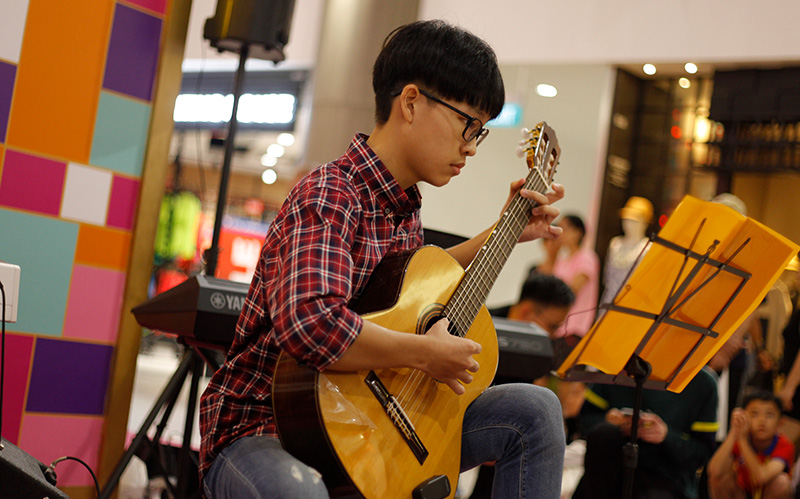
This approach also helps children learn music at home by connecting new techniques with songs they already know and love. The same idea works just as well for children taking guitar lessons, where favourite songs often become a fun and meaningful way to reinforce new skills.
4. Keep Practice Short and Focused
It is easy to assume that longer practice sessions lead to faster progress, but that is not always the case.
For younger children, ten to fifteen minutes of focused practice at home, or a duration recommended by their teacher, is often more productive than an hour spent struggling to stay engaged. Shorter sessions are easier to fit into busy family routines and allow children to finish on a positive note, leaving them more willing to return to their instrument the next day.
Over time, these regular, manageable sessions help build strong habits. Instead of feeling like an obligation, practising gradually becomes a familiar and enjoyable part of everyday life.
5. Celebrate Progress Along the Way
Children are far more likely to stay motivated when they can see how much they have accomplished.
A simple sticker chart, practice calendar, or progress board can make each milestone feel meaningful. Whether your child has mastered a new rhythm, learnt an entire piece, or confidently performed for the family, taking a moment to celebrate reinforces that their effort is paying off.
When children feel proud of their progress instead of worrying about getting everything perfect, they become more willing to tackle new challenges. These positive experiences help them learn music at home with greater confidence while nurturing a lasting enjoyment of music.
Conclusion
Helping children enjoy music often comes down to creating positive experiences that they want to repeat. Small moments of encouragement, shared activities, and manageable practice habits can help build confidence while keeping their enthusiasm for music growing over time. As children learn music at home through positive everyday experiences, they become more confident, motivated, and eager to continue growing.
Many families find that combining enjoyable home practice with structured lessons at a music school gives children the right balance of guidance and creative exploration.
At Sonare Music School, we tailor lessons to each child’s pace and interests, helping them build strong foundations while continuing to enjoy music both in class and at home. Our experienced teachers create engaging lessons that build strong musical foundations while nurturing confidence, curiosity, and a lifelong enjoyment of music.
Ready to make practice time something your child looks forward to? Contact Sonare Music School today and start your child’s musical journey with us.