
 Go back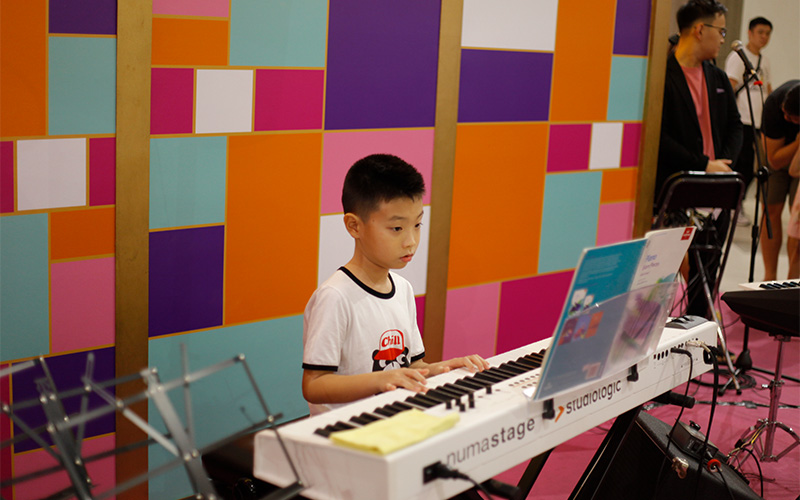
First Notes: Best Electronic Keyboard Songs for Music Appreciation in Kids and Teenagers
Key Takeaways
- Electronic keyboards provide an accessible and engaging introduction to music for both children and teenagers.
- Unlike acoustic pianos, electronic keyboards offer built-in sounds, rhythms, and learning features that support beginner learning.
- Learning keyboard helps students develop rhythm, coordination, listening awareness, and overall musical understanding.
- Familiar songs from classical music, films, and pop culture can keep young learners motivated during practice.
- Structured lessons and music appreciation programmes help students build stronger technique, creativity, and long-term interest in music.
Introduction
Music often becomes meaningful when children and teenagers are given the opportunity to explore it in a hands-on and enjoyable way. Some may begin by learning simple melodies from cartoons or movies, while others become interested in recreating songs they hear online or on social media. The electronic keyboard is a popular starting instrument because it allows beginners to experiment with melody, rhythm, and sound in an approachable and engaging format suited for different age groups.
Beyond simply learning songs, the electronic keyboard also helps students develop a broader understanding of music. As children and teenagers explore different musical styles, they gradually strengthen their listening skills and appreciation for how music is created and performed. This is why keyboard learning features in many music appreciation classes in Singapore, allowing students to build both practical playing abilities and deeper musical awareness in a structured and enjoyable environment.
Understanding the Electronic Keyboard
An electronic keyboard is a digital musical instrument designed to replicate the sound and layout of a traditional piano while offering additional features. Most electronic keyboards include built-in sound effects, rhythm accompaniments, recording functions, and multiple instrument tones such as strings, drums, and organs.
Unlike acoustic instruments, keyboards rely on electronic sound generation rather than physical strings and hammers. This makes them lighter, more portable, and often more affordable for beginners. Electronic keyboards are commonly used in homes, schools, studios, and performance settings. For younger learners especially, they provide a more interactive experience because students can experiment with different sounds while learning the basics of melody and rhythm. In many beginner programmes and music appreciation classes, keyboards are introduced early because they help students visualise musical patterns clearly.
Electronic Keyboard vs Acoustic Piano: What Makes Them Different?
Although both electronic keyboards and acoustic pianos share a similar key layout, they offer distinctly different learning experiences, especially for beginners. The primary difference lies in sound production—the acoustic piano produces sound mechanically through hammers and strings, while the electronic keyboard uses digital generation, allowing it to produce a wider variety of tones and sound effects that appeal to younger learners.
Electronic keyboards are also generally lighter and easier to move than acoustic pianos, making them practical for families living in apartments or homes with limited space. Many keyboards include built-in educational tools such as rhythm tracks, recording settings, accompaniment modes, and learning functions, which can support beginners during practice and reinforce concepts taught in guided programmes.
Another major advantage is adjustable volume. Students can practise quietly using headphones, making regular practice easier in shared living spaces. Many beginner-friendly models also include simplified learning settings that help children and teenagers stay motivated while developing basic musical skills.
Why the Electronic Keyboard Appeals to Kids and Teenagers
The electronic keyboard supports both technical learning and creative exploration, making it suitable for a wide range of students. The keyboard layout helps students understand scales, chords, melody patterns, and rhythm more clearly, while also developing listening awareness through regular practice. These concepts are often reinforced during music appreciation classes, where students learn how to recognise tempo, pitch, harmony, and musical expression.
The instrument also encourages experimentation. Children often enjoy trying different sound effects and accompaniment styles, while teenagers may become interested in arranging songs or composing simple melodies. Since the keyboard works well for classical music, pop songs, worship music, film scores, jazz, and electronic music, students can explore different genres and discover what motivates them most.
Compared to some instruments that require more physical adjustment, the electronic keyboard offers an approachable introduction to music learning. Students can begin with simple melodies and progress steadily while building confidence and coordination over time.
Beginner Electronic Keyboard Songs for Children
1. Twinkle, Twinkle, Little Star
This familiar melody is one of the first songs many children learn because of its repetitive structure and simple note patterns. The tune originated from a French melody called “Ah! vous dirai-je, maman,” which later became associated with several children’s songs. It remains one of the most recognised fun piano songs for children because beginners can quickly learn the melody while building finger coordination.
2. Ode to Joy by Ludwig van Beethoven
“Ode to Joy” was originally composed as part of Beethoven’s Ninth Symphony and remains one of the most recognisable classical melodies in the world. The song helps beginners practise smooth transitions and rhythm control while introducing students to an important piece of classical music history. It is also commonly introduced during piano classes because of its cultural significance.
3. Mary Had a Little Lamb
This nursery rhyme uses a small range of notes, making it suitable for young beginners. Children can focus on rhythm and note recognition without becoming overwhelmed by complicated finger movements. The repetitive phrasing also supports confidence during early lessons and helps students develop familiarity with keyboard positioning.
4. Can You Feel the Love Tonight by Elton John
Popular film music often keeps younger learners motivated. This song from The Lion King introduces expressive playing and phrasing while remaining approachable for beginners. Students also begin to understand how music supports storytelling and an emotional atmosphere in films.
5. Let It Go from Frozen
Modern Disney songs remain highly engaging for younger students. “Let It Go” combines memorable melodies with gradual dynamic changes that help children explore musical expression. Because many students already know the song, practice often feels more enjoyable and rewarding.
Electronic Keyboard Songs for Teenage Learners
1. River Flows in You by Yiruma
This contemporary piano piece became globally popular through online sharing and modern piano culture. Its flowing melody and emotional atmosphere strongly appeal to teenage learners. The piece introduces expressive phrasing and balance between melody and accompaniment, making it excellent keyboard music for teens who enjoy contemporary instrumental music.
2. Clocks by Coldplay
“Clocks” is recognised for its repeating piano riff and atmospheric style. Teenagers can use this song to improve rhythm consistency and coordination between both hands while learning how repetitive musical ideas can create memorable songs.
3. Canon in D by Johann Pachelbel
Originally composed during the Baroque period, “Canon in D” continues to appear in modern arrangements, films, and weddings. Teen beginners often enjoy learning simplified keyboard versions because the chord progression sounds familiar and satisfying while helping students develop smoother transitions between notes and chords.
4. Someone Like You by Adele
This piano ballad features a relatively straightforward accompaniment pattern that works well for intermediate beginners. Teenagers often connect emotionally with contemporary songs in music appreciation classes, helping practice sessions feel more meaningful while improving timing and expressive control.
5. Faded by Alan Walker
Electronic music has inspired many teenagers to explore keyboard playing. “Faded” combines digital production elements with melodic piano phrases, making it especially engaging for students interested in modern music styles. The piece also demonstrates how keyboards continue to play a major role in contemporary production, especially as synthesisers gain popularity in music.
Beginner Tips for Learning the Electronic Keyboard
Starting with recognisable melodies helps students stay motivated while developing coordination and rhythm. Learning a few easy keyboard songs for beginners also makes early practice sessions feel more achievable and less intimidating for young learners.
Consistent practice is equally important. Short daily sessions are often more effective than occasional long practice periods because regular repetition helps students build muscle memory and confidence more steadily. Beginners also benefit from learning proper posture, finger positioning, and hand movement habits early, as these foundations support smoother progress later on.
Students should also explore different music genres rather than focusing on only one style. Exposure to classical pieces, movie soundtracks, pop songs, and contemporary music broadens musical understanding and keeps lessons interesting over time.
Professional guidance can further support long-term progress. Many families enrol children in electronic piano lessons alongside keyboard learning to strengthen technical foundations. Attending lessons also gives students structured progression, peer interaction, and opportunities to develop listening and performance skills. An experienced piano school in Singapore can further support learning by combining practical keyboard training with ear training, music theory, and performance opportunities.
Conclusion
The electronic keyboard offers children and teenagers an accessible and enjoyable introduction to music. From nursery rhymes to contemporary songs, students can gradually build confidence, creativity, listening awareness, and technical ability through regular practice.
More importantly, keyboard learning encourages a lasting connection with music itself. Through both practical playing and guided listening experiences such as music appreciation classes, students develop a deeper understanding of melody, rhythm, and musical expression.
At Sonare Music School, students are guided through structured keyboard learning designed for different ages and skill levels. Contact us today to learn more about our keyboard and music appreciation programmes for children and teenagers.
