
 Go back
Do Trial Music Lessons Really Help? What Parents Should Know
Key Takeaways:
- Trial lessons help parents and children explore whether music learning is genuinely enjoyable before committing to the best music class for their needs.
- Observing teacher-student interaction during a trial session can reveal whether the teaching style is engaging, supportive, and suitable for the child.
- Experiencing the school’s environment firsthand gives families a clearer understanding of the learning atmosphere and overall culture.
- Small achievements during a first lesson can build confidence, create positive associations with learning, and encourage children to continue their musical journey.
Why Are Trial Lessons Essential Before Enrolling in a Music Class?
Choosing a music class for your child is about more than finding an available slot or a convenient location. As parents, it’s natural to wonder whether your child will genuinely enjoy learning music, feel comfortable with the teacher, and stay motivated over time.
That is why trial lessons can be so valuable. They give both parents and children the chance to experience a lesson firsthand before making a longer-term commitment. From discovering what sparks a child’s interest to understanding whether the teaching approach feels like the best fit, a trial lesson can provide useful insights that are difficult to gain from brochures or websites alone.
Here are five ways a trial lesson can help parents make a more informed decision about music lessons.
1. Gauge Your Child’s Interest
Children often respond very differently when they experience an instrument firsthand compared to simply hearing about it. At Sonare, trial lessons are designed to provide a relaxed and supportive environment where they can explore sounds, rhythms, and simple musical activities without the pressure of committing to regular lessons.
Some children are immediately fascinated by creating melodies on the piano, while others may light up when clapping rhythms, singing, or experimenting with different instruments. These natural reactions can provide valuable clues about what interests them and what they enjoy most.
For parents, a trial lesson offers a valuable opportunity to gain a better sense of what captures their child’s interest. Even if a child has no prior musical experience, their curiosity, engagement, and willingness to participate can provide useful insights into whether music lessons are likely to become a meaningful and enjoyable part of their routine.
2. Observe the Teaching Style
A teacher can have a significant influence on a child’s experience with music. Beyond technical knowledge, the way a teacher communicates, encourages, and responds to a student’s needs often shapes how enjoyable and rewarding lessons feel.
A trial lesson allows parents to see these interactions firsthand. Does the teacher make the child feel comfortable? Are instructions explained in a way the child can understand? Is the lesson engaging enough to hold their attention? These observations can be just as important as a teacher’s qualifications or experience.
When searching for the best music class, it is worth taking the time to assess whether the teaching approach suits your child’s personality and learning style. A strong teacher-student connection can play a key role in building confidence, maintaining motivation, and supporting long-term progress.
At Sonare Music School, trial lessons also provide continuity. When the trial experience is a good fit and schedules align, we aim for the same teacher to continue working with your child after enrolment. This consistency can help students build familiarity and confidence as they develop their musical skills.
For parents who want to test a music school before enrolling, a trial lesson offers valuable first-hand experience and a clearer sense of whether the environment is the right fit.
3. Understand the School’s Atmosphere
The learning environment can have a meaningful impact on a child’s experience with music. Even a well-designed programme can be difficult for a child to engage with if they do not feel comfortable or supported during lessons.
A trial session gives families the opportunity to experience the school’s atmosphere firsthand rather than relying solely on websites, reviews, or promotional materials. From the moment they walk through the door, parents can get a sense of how students are welcomed, how lessons are conducted, and how teachers and staff interact with children.
Children often learn best when they feel at ease and encouraged to participate without fear of making mistakes. A warm and supportive environment can help build confidence, foster curiosity, and make the learning process more enjoyable.
By visiting the school and observing a lesson firsthand, parents can better understand whether the environment aligns with their child’s needs and personality. For many families looking for the best music school, these first-hand experiences can offer perspectives that online research alone cannot provide.
4. Assess Instrument Readiness
Choosing an instrument is not always as straightforward as picking the one that sounds most appealing. Factors such as a child’s age, physical comfort, coordination, and personal preferences can all influence whether an instrument feels like the right fit.
A trial lesson gives children the opportunity to interact with an instrument firsthand before any long-term commitments are made. During the session, teachers can observe aspects such as posture, hand positioning, coordination, and overall comfort, while offering guidance on what may be most suitable for the child at their current stage of development.
This hands-on experience can help families make more informed decisions before investing in lessons or purchasing an instrument. It also allows children to discover what feels enjoyable and natural, which can have a positive impact on their motivation to learn.
Many parents exploring different music classes appreciate the opportunity to try an instrument before deciding on a learning path. For families searching for the best music school, this added clarity can make it easier to choose a programme that matches both the child’s interests and needs.
5. Boost Confidence with a Small Success
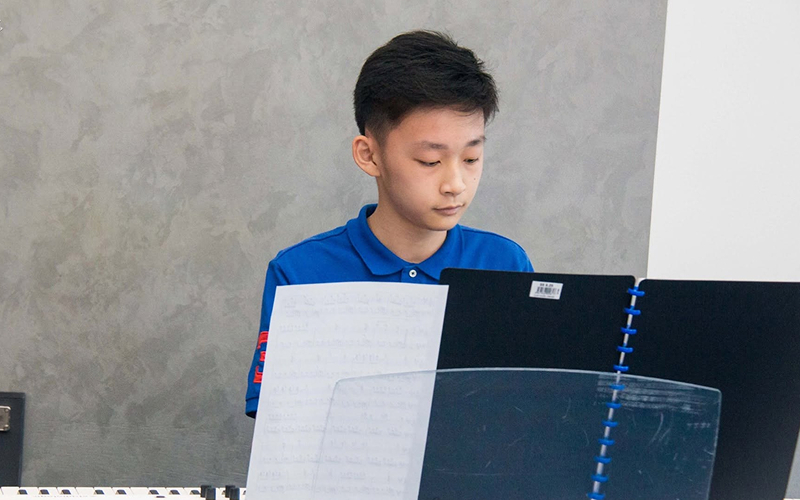
Trying something new can feel daunting for children, especially when they are stepping into an unfamiliar environment. One valuable aspect of a trial lesson is the opportunity to experience an early success.
Whether it is playing a simple melody, recognising a few musical notes, keeping a steady rhythm, or learning their first chord, these small milestones can leave a lasting impression. Some children may be surprised by how much they can accomplish in a single lesson, even if it is something as simple as playing a short melody or recognising a few notes.
Positive early experiences help children build confidence and develop a more enthusiastic attitude towards learning. Instead of viewing music as something difficult or intimidating, they begin to see it as an enjoyable activity where progress is possible with guidance and practice.
This initial confidence can become a powerful source of motivation, making children more excited to return for future lessons and continue exploring their musical potential.
Making the Right Choice with Trial Lessons
Finding the right music programme often starts with having the opportunity to experience it firsthand. Rather than committing based solely on recommendations or online research, a trial lesson allows families to take that first step with greater confidence and peace of mind.
At Sonare Music School, trial lessons are designed to be a comfortable and enjoyable introduction to music learning. If the experience is a good fit and schedules align, the same teacher may continue guiding your child after enrolment, providing greater continuity from the very beginning.
If you are looking for the best music class for your child, book a trial lesson with Sonare Music School today and discover how the right teacher and a positive first learning experience can help your child begin their musical journey with confidence.
