
 Go back
Music and Brain Development in Early Childhood: Why Kids Excel With Instruments
Key Takeaways:
- Music and brain development in early childhood are closely connected, with musical learning encouraging skills related to memory, language, focus, and problem-solving.
- Learning music strengthens memory, concentration, and information retention through regular practice and repetition.
- Musical training supports both language development and mathematical thinking by helping children recognise patterns and relationships.
- Music encourages executive functioning skills such as planning, focus, self-control, and mental flexibility.
- Children who learn music often develop greater confidence, emotional awareness, and positive learning habits that can support academic skills.
Introduction
Children grow and learn at an incredible pace during their early years. Every new experience, from learning a new word to exploring a new activity, helps build the neural connections that support thinking, communication, problem-solving, and emotional development.
Among the many enrichment activities available to young children, music stands out because it engages multiple areas of the brain at once. As children listen to rhythms, recognise patterns, coordinate movements, and express themselves through music, they are using a wide range of cognitive skills simultaneously.
This is one reason music can be such a valuable learning experience during childhood. Music combines creativity with structured learning, encouraging children to listen, focus, practise, and build new skills over time.
Let’s explore five key ways music can support early brain development and contribute to a child’s overall growth.
1. Strengthens Memory and Retention
One of the most well-known benefits of music education is its positive impact on memory. The connection between music and brain development in early childhood is often reflected in the way musical learning encourages children to remember, process, and apply information.
When children learn music, they regularly practise recalling note names, rhythms, melodies, finger positions, and performance instructions. This repeated mental exercise helps strengthen their ability to store and retrieve information over time.
As they progress through lessons, children also learn to recognise musical patterns and connect new concepts with skills they have already developed. This process supports stronger cognitive recall while encouraging deeper understanding and more effective learning habits.
Many parents notice improvements in their children’s memory as they become more confident remembering songs, sequences, and instructions. These strengthened memory abilities can also support learning in other areas, helping children follow directions, retain new information, and build a strong foundation for future learning.
2. Enhances Math and Language Skills
Music and learning are more closely connected than many people realise. As children engage with rhythm, melody, and musical patterns, they are also developing skills that support other areas of learning.
Rhythm introduces concepts such as counting, sequencing, timing, and pattern recognition. As children learn to follow beats and understand musical structure, they strengthen logical thinking and develop a deeper understanding of how different elements relate to one another.
Music also supports language development. Singing songs, listening carefully to sounds, and learning lyrics help children build vocabulary, improve pronunciation, and strengthen listening and auditory processing skills.
Some research has associated music education with skills related to language development, listening, pattern recognition, and reasoning. While every child develops differently, these experiences may contribute to a range of academic skills, particularly those involving comprehension, critical thinking, and problem-solving.
3. Builds Executive Functioning
Executive functioning refers to a group of mental skills that help children focus, manage tasks, regulate their behaviour, and adapt to changing situations. These skills play an important role in learning, problem-solving, and everyday decision-making.
Music lessons provide regular opportunities to strengthen these abilities. As children learn a new piece, they must listen carefully to instructions, follow a sequence of steps, monitor their progress, and make adjustments when they encounter challenges. Preparing for performances or examinations also requires goal-setting, consistent practice, and sustained concentration over time.
These experiences help develop planning, attention, self-regulation, and mental flexibility. By encouraging children to plan, focus, adapt, and persevere, music lessons help develop important thinking skills that can benefit learning both in the classroom and beyond.
4. Supports Emotional Regulation and Confidence
The benefits of music and brain development in early childhood extend beyond cognitive skills. Music can also support emotional development by giving children a healthy and creative way to express themselves.
Young children do not always have the vocabulary to communicate how they feel. Through singing, playing an instrument, or exploring different musical styles, they can express emotions, release energy, and engage with their feelings in a positive and structured environment. This process can help children develop greater emotional awareness and self-regulation over time.
Music also provides regular opportunities for achievement. Learning a new song, mastering a challenging technique, or performing for family and friends can give children a strong sense of accomplishment. These moments help build confidence and encourage children to embrace challenges as part of the learning process.
As children experience progress through music, they often develop greater resilience, self-belief, and emotional confidence. These qualities can support not only their musical journey but also their overall growth and development.
5. Develops Positive Learning Habits
The benefits of music education often extend beyond musical learning itself. Through regular lessons and practice at a music school, children develop habits such as concentration, perseverance, and self-discipline that can positively influence their experiences in school and other areas of life.
Learning music requires children to follow instructions, work towards goals, and continue practising even when they encounter challenges. Over time, these experiences encourage responsibility, patience, and a willingness to persist through difficulties.
By encouraging consistency, focus, and personal responsibility, music helps children build valuable skills that support their educational journey and personal growth.
How Sonare Supports Young Learners
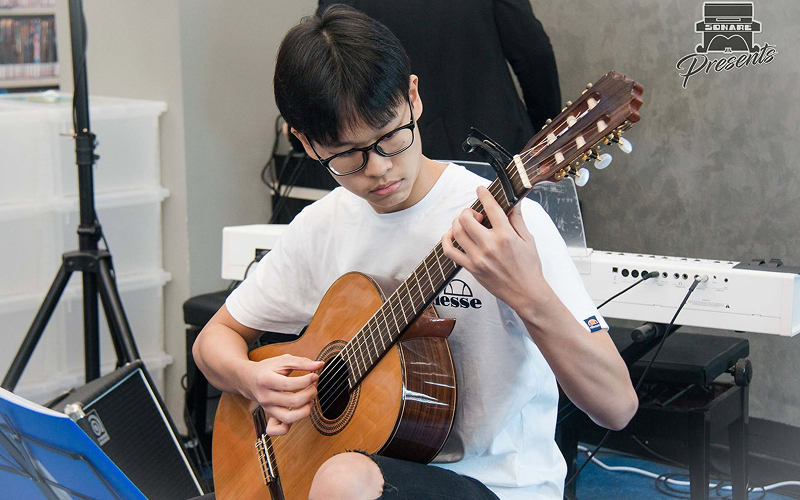
At Sonare Music School, we believe that learning music should be both enjoyable and meaningful. Our programmes are designed to introduce children to music in an engaging and structured way, helping them build confidence while developing strong musical foundations.
Through personalised guidance, age-appropriate teaching methods, and carefully paced lessons, our teachers help children build strong foundations in rhythm, listening, musical expression, and instrumental skills. Each child progresses at a pace that suits their individual learning needs and goals, experiencing the satisfaction of achieving new milestones along their musical journey.
For families seeking meaningful enrichment opportunities, our music classes provide a supportive environment where children can learn, create, and grow. As a dedicated music studio in Singapore, we offer programmes tailored to different ages, interests, and stages of musical development.
Conclusion
The relationship between music and brain development in early childhood highlights how music engages a wide range of cognitive and emotional processes. Through musical learning, children can strengthen memory, language skills, focus, emotional awareness, and problem-solving abilities while enjoying a creative and rewarding activity.
If you would like your child to experience the benefits of music education in a nurturing and engaging environment, contact Sonare Music School to learn more about our programmes and find a class that matches their goals.
