
 Go back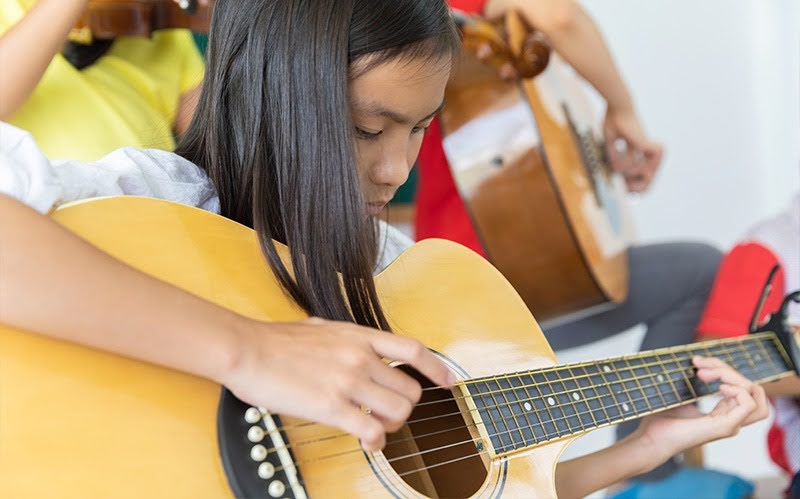
Why Classical Guitar Builds the Best Musical Foundation for Kids
Key Takeaways
- Classical guitar provides children with a structured introduction to music through technique, rhythm, notation, and controlled playing habits.
- Early training helps students build strong technical foundations that support smoother long-term musical development.
- Learning the instrument strengthens coordination, focus, and control through gradual and consistent practice.
- Classical guitar encourages patience, concentration, and disciplined learning habits that can benefit children beyond music lessons.
- The skills developed through classical guitar can transfer easily to other instruments and musical styles in the future.
Introduction
Music often becomes an important part of a child’s development from a young age. Whether through listening, singing, or learning an instrument, children are exposed to different ways of expressing creativity and building confidence over time. For parents exploring kids’ music classes, choosing the right instrument can shape how a child experiences learning and musical growth in the years ahead.
Among the many instruments available, classical guitar has remained a longstanding choice for young learners. Its structured learning approach, versatility, and gradual progression make it a popular starting point for children beginning their musical journey.
Understanding the Classical Guitar
Classical guitar is a type of acoustic guitar that uses nylon strings and fingerstyle playing techniques. Unlike many modern guitar styles that focus primarily on strumming chords, classical guitar encourages students to play individual notes with greater control and precision. This develops stronger coordination between both hands while improving finger coordination over time.
The instrument is designed to support proper posture and controlled movement, which is why it is often recommended for beginners. When learning classical guitar basics, students learn how to hold the guitar correctly, position their hands comfortably, and produce clear notes consistently. These early habits help create efficient playing techniques that support long-term development.
Although classical guitar is closely associated with traditional classical music, the instrument and its associated techniques are highly versatile. Many musicians who later move into pop, jazz, acoustic fingerstyle, or contemporary guitar styles begin with classical foundations because the technical discipline transfers effectively across different genres.
How Children Learn Classical Guitar in Guided Lessons
Classical guitar lessons are usually structured progressively so children can build confidence steadily as their skills improve. Beginners first learn the basics of handling the instrument properly before moving into more advanced musical concepts. Early lessons focus on posture, hand positioning, simple finger exercises, and rhythm awareness so students can become comfortable with the instrument physically and musically.
At this stage, teachers often focus heavily on classical guitar basics, helping students understand proper hand placement, rhythm counting, and note reading before introducing more advanced techniques. These early lessons also strengthen finger coordination, which is essential for smooth movement across the strings and fretboard.
As children gain confidence, they are gradually introduced to reading musical notation. Learning to read music helps students understand rhythm, timing, and pitch more independently rather than relying entirely on imitation. This strengthens overall musical literacy and allows students to approach new pieces with greater understanding.
Students also begin learning beginner-level repertoire that reinforces the technical and musical concepts taught during lessons. Instead of memorising songs mechanically, children learn how rhythm, phrasing, and note accuracy work together within each piece. This creates a more balanced and complete learning experience while helping students progress naturally over time.
Why Choose Classical Guitar Courses for Children?
Encouraging Better Playing Habits
One of the strongest advantages of classical guitar training is its emphasis on building proper habits early. Students are taught how to move their fingers efficiently, maintain relaxed posture, and produce consistent sound quality across the instrument. These habits may seem simple initially, but they become increasingly important as students advance.
Children who develop strong foundational habits often experience smoother long-term progress because they are less likely to struggle with poor finger control or unnecessary tension later on. Classical guitar also strengthens coordination between both hands: the left hand focuses on positioning and note accuracy, while the right hand develops control over tone and articulation. Over time, this continued practice improves finger coordination in a highly structured way.
Because lessons prioritise control and precision, students learn to pay closer attention to detail during practice. This encourages more thoughtful playing and helps children become more aware of how small adjustments can improve overall performance quality.
Building Musical Understanding Beyond Memorisation
Many beginner music programmes place heavy emphasis on learning songs quickly, but classical guitar lessons usually take a broader educational approach. Students learn not only how to perform music, but also how musical ideas are organised and connected.
Children are introduced to concepts such as rhythm patterns, melodic phrasing, dynamics, tempo, and musical interpretation. They begin understanding how different sections of music work together structurally and how expression influences performance. This deeper understanding allows students to become more independent musicians over time because they are learning how music functions rather than simply copying what they hear.
As classical guitar basics are reinforced, students remain grounded in proper technique and musical understanding as their repertoire becomes more challenging. In many structured kids’ music classes, this balanced approach helps children gain confidence steadily instead of relying purely on memorisation.
Learning musical structure early can also improve adaptability later. Students often find it easier to approach unfamiliar pieces because they recognise common rhythmic patterns, note relationships, and phrasing techniques more naturally.
Developing Focus and Patience Through Practice
Classical guitar requires concentration and gradual improvement, making it an excellent activity for developing focus and patience in children. Unlike activities that provide immediate results, learning an instrument teaches students how consistent effort leads to long-term progress. Children learn to approach challenges step by step while understanding that improvement comes through repetition and careful practice.
Because classical guitar involves controlled finger movement and rhythmic accuracy, students must pay close attention during practice sessions. This encourages discipline and helps children become more comfortable with sustained concentration. Over time, these routines strengthen both focus and musical discipline, especially when students learn how to practise regularly without rushing through exercises.
The process also teaches resilience. Students learn how to work through difficult sections patiently instead of becoming discouraged by mistakes.
Strengthening Listening Skills and Musical Awareness
Classical guitar also helps children become more attentive listeners. Because students play individual notes using fingerstyle techniques, they learn to notice details such as tone quality, rhythm consistency, pitch accuracy, and phrasing more carefully. This strengthens overall musical awareness and encourages students to listen critically during practice.
As listening skills improve, children become better at identifying mistakes independently and making small adjustments to improve their playing. This develops stronger self-correction habits and encourages more thoughtful learning over time. In many advanced guitar classes, listening exercises are also incorporated alongside technical training to strengthen musical sensitivity further.
A strong musical ear is valuable across many musical situations, including ensemble playing, future instrumental study, and performance settings. Students who develop careful listening habits early often become more expressive and confident musicians later on.
Preparing for Future Musical Versatility
The skills developed through classical guitar often support many other areas of music later on. Students strengthen rhythm awareness, coordination, listening ability, and music reading skills simultaneously, creating a broad musical foundation that adapts well to future learning.
Children who later decide to explore piano, violin, bass guitar, or other instruments frequently benefit from the musical knowledge gained through classical guitar lessons. Their familiarity with notation, timing, and structured practice routines helps them adjust more comfortably to new instruments and learning environments.
Even students who eventually pursue modern guitar genres often benefit from classical training because of the technical control and precision it develops. The skills acquired from classical guitar basics gives students a framework that continues supporting future musical exploration long after beginner lessons.
How Sonare Music School Supports Young Classical Guitar Students
At Sonare Music School, classical guitar lessons are designed to help children build strong musical foundations in a structured and encouraging environment. Lessons are tailored according to each student’s age, learning pace, and experience level so that progress remains steady and manageable. Furthermore, our curriculum is aligned with recognised external standards, ensuring a high quality of music education.
Teachers focus on helping students develop proper posture, rhythm accuracy, note reading ability, and strong classical guitar basics through carefully guided instruction. Lessons also encourage musical expression and confidence while introducing students to repertoire that supports both technical and musical growth progressively.
Our classes place importance on developing consistency and musical discipline through structured practice habits and supportive guidance. Students are encouraged to improve gradually while building confidence in their playing abilities.
We provide a balanced approach that combines technical training with engaging lessons for young learners. Whether families are searching for beginner-friendly lessons or complete guitar courses in Singapore, our programmes are designed to support children throughout different stages of musical development.
Conclusion
Classical guitar builds technical control, musical understanding, listening ability, concentration, and disciplined learning habits in a way that supports long-term development. Because the instrument combines structured learning with creativity and expression, it gives young students a well-rounded musical foundation that continues benefiting them as they grow.
The gradual progression taught through music classes helps children gain confidence steadily while strengthening important abilities such as finger coordination and musical awareness over time. The skills gained from classical guitar basics continue to support students even if they eventually branch into different instruments or musical genres.
Whether a child eventually continues with classical music or explores other instruments and styles later, the foundations developed through classical guitar remain highly valuable throughout their musical journey. If you are looking for a meaningful and structured way to introduce your child to music, contact us at Sonare Music School to learn more.
