
 Go back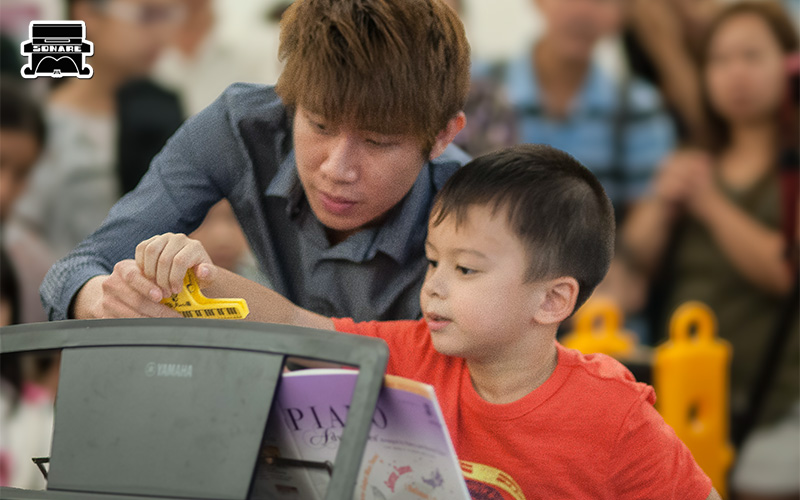
The Best Age to Start Music Lessons (and Why It’s Never Too Late)
Introduction
Music is a universal language that speaks to everyone, regardless of age or background. A toddler tapping on a toy drum is not just making noise; they are embarking on a journey of rhythm and joy. A teenager strumming a guitar is finding their voice and identity. A retiree sitting at the piano for the very first time shows us that curiosity and creativity truly never grow old. Wherever the journey begins, music has the power to shape memory, build confidence, and nurture emotional well-being. The joy of music discovery is open to all, at any age.
For parents, the question often arises: What is the “right” age to start music lessons? For adults, the worry is different: Has the moment already passed? The truth is that there is no single “perfect” age. Beginning early can create strong foundations that last a lifetime, while starting later brings its own advantages, including focus, resilience, and a deeper sense of fulfilment.
In Singapore, music education has become more accessible than ever, offering a range of options to suit every learner. Families can explore engaging childhood classes that introduce children to instruments from around age five, teenagers can dive into beginner piano lessons, and adults can join programmes tailored to their schedules and goals. Whether taken up casually or with the dream of performing, music lessons meet learners where they are and help them grow at their own pace. The flexibility of music education in Singapore empowers learners of all ages to pursue their musical interests.
In this article, we will explore the best age to start music lessons, why it is never too late to begin, and how music can bring joy, discipline, and self-expression to anyone ready to embrace it.
Key Takeaways:
- Music can be learned and enjoyed at every stage of life, from childhood through adulthood, with each age offering unique benefits.
- Starting young helps build strong foundations in rhythm, coordination, and focus, while older learners bring discipline, motivation, and life experience.
- Beyond skill-building, music provides emotional expression, stress relief, and a meaningful sense of achievement for children and adults alike.
- Families who learn together create shared routines, strengthen bonds, and develop a lasting connection through music.
What’s the Ideal Age to Start Music Lessons?
Every stage of life offers its own window into music. Toddlers bring natural curiosity and playfulness; primary school children develop focus and structure, while teenagers channel their emotions and creativity into self-expression. Understanding how developmental milestones relate to musical growth helps parents and learners make informed choices about the ideal age to start music lessons, creating a journey that feels both rewarding and personal.
Music for Childhood: Why Start Young?
Children in their younger years are natural learners, soaking up sounds, rhythms, and patterns with remarkable ease. This makes childhood one of the most rewarding ages to start music lessons, not through strict practice but through joyful play and discovery. Simple activities, such as clapping games, singing nursery rhymes, or moving in time with a beat, help children explore rhythm while also stimulating brain development, boosting memory, and enhancing coordination. Because the activities are playful, the learning feels effortless and enjoyable.
Childhood music classes not only foster musical skills but also bring social benefits that extend well beyond the classroom. When children join group sessions, they begin to listen attentively, take turns, and move in harmony with their peers. These small but meaningful habits encourage patience, cooperation, and empathy. Parents often notice that children who begin music at this stage carry these qualities into other aspects of daily life, from school interactions to playtime with friends.
For many families, these early encounters with music provide a foundation for growth and a lasting appreciation for the arts. It shows that the ideal age to start music lessons is not only about skill development, but also about nurturing curiosity, creativity, and a sense of joy that can grow with the child.
Primary School Age: A Strong Foundation for Structured Lessons (Ages 7–12)
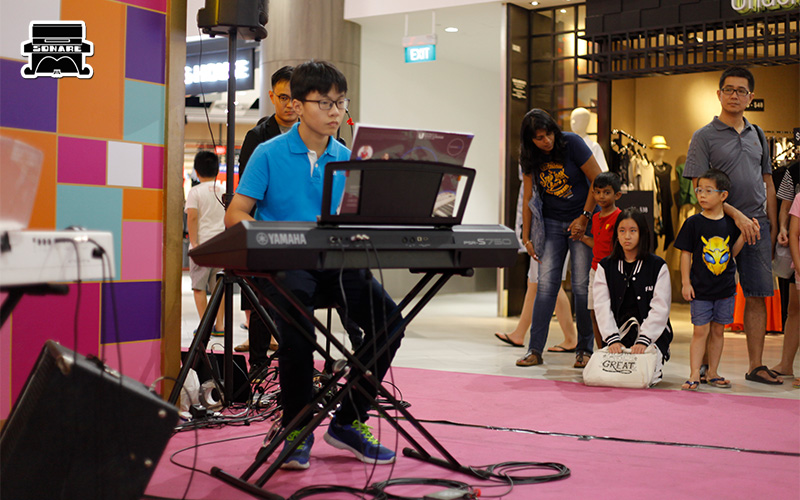
By the time children reach primary school, their attention spans are longer, their motor skills more refined, and their ability to follow instructions more reliable. This combination makes ages 7 to 12 a particularly suitable age to start music lessons in a more structured way. Piano lessons for beginners, violin classes, or even wind instruments become accessible at this stage, as children are now ready to read simple notation, understand basic music theory, and practise on their own for short periods of time.
The habit of regular practice during these years brings essential life skills along with musical progress. Focus deepens, resilience grows, and time management starts to take shape. As children gain confidence in their ability to play, they also experience a lift in self-esteem that influences schoolwork, friendships, and other daily activities. For many parents, this is the period when the question of the best age to start music lessons feels especially relevant, as children are equipped to thrive in an environment that balances structure with creativity.
Teenage Years and Beyond: Music as Passion and Expression (Ages 13+)
Teenagers approach music with a sense of independence, using it as a means to express their emotions and creativity. This stage is an exciting age to start music lessons because it aligns with the growing need for self-expression. Popular instruments such as the guitar, keyboard, or voice allow them to connect with the music they already enjoy. For some, learning becomes a way to relieve stress after school, while for others, it is a pathway to discovering identity and building community with like-minded peers. The guitar, in particular, appeals to many teenagers because it feels approachable and versatile. With various lesson formats available locally, families can compare guitar lesson rates in Singapore to find an option that suits their budget and their child’s level of interest.
The teenage years are also an excellent time for collaboration. Joining an ensemble, singing in a choir, or experimenting with songwriting allows teenagers to channel emotions into shared experiences. These opportunities strengthen creativity, teamwork, and confidence. At this point, music lessons shift from building foundations to nurturing passion and individuality. It reminds us that there is no age limit to starting music lessons, as it offers meaningful growth at every step.
Learning Music as an Adult: Why It’s Never Too Late
While many people ask about the best age to start music lessons, adults sometimes forget that there is no expiry date on learning. Beginning an instrument later in life can be deeply rewarding, offering benefits such as sharper focus, stress relief, and personal fulfilment. With flexible adult music classes available and opportunities to share the experience with family, learning music as an adult is not only possible but often transformative.
Adult Music Classes in Singapore
For many adults, the thought of starting lessons later in life can feel daunting, yet it is often one of the most rewarding choices to make. Research suggests that learning an instrument can enhance memory, improve focus, and reduce stress. These benefits become especially valuable in the midst of busy work and family responsibilities, reminding us that there is no fixed age to start music lessons and no reason to hold back from trying.
Adult music classes in Singapore are designed with flexibility in mind. Lessons can be arranged around work schedules, adapted to individual learning speeds, and shaped by personal goals. For some, this may mean exploring classical piano lessons for adults, while others may prefer joining group sessions for social connection or finally pursuing a dream of performing. Beyond the skills themselves, music offers structure, joy, and the sense of achievement that comes from learning something new. This proves that the “right” age to start music lessons is not confined to childhood. Adults, too, can discover growth, fulfilment, and the joy of making music at their own pace.
Why Adults Bring Motivation and Discipline
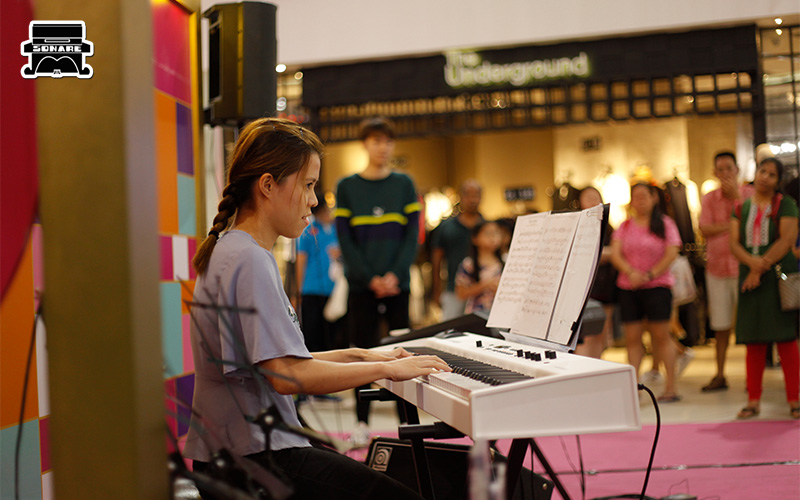
Unlike children, who may be encouraged to take lessons by parents or schools, adults usually choose to study music out of genuine interest or a long-held curiosity. This personal motivation makes a powerful difference. Adults tend to approach practice with stronger discipline and clearer goals, whether it is learning a favourite song, accompanying a choir, or preparing for a small performance. For many, this stage becomes an inspiring age to start music lessons because the drive comes from within.
Progress may be steady rather than quick, but consistency and focus pay off over time. Adults know how to manage their schedules, set realistic milestones, and take pride in the small wins that mark each stage of learning. It is less about chasing perfection and more about enjoying the process, showing that age should not limit when to start music lessons.
How Learning Together Strengthens Family Bonds
One of the most heartwarming trends in recent years has been parents and children learning music together. When parents join classes or practise an instrument at home with their children, they model the values of persistence, curiosity, and lifelong learning. This makes the family setting a particularly meaningful age to start music lessons, as children see firsthand that music is not limited by age but is instead embraced across generations.
Shared practice sessions, informal jam nights, or simply listening to one another’s progress can grow into cherished routines. Over time, music becomes a family language that connects grandparents, parents, and children alike. It creates opportunities to celebrate achievements, laugh at mistakes, and build memories together. For families in Singapore, where life often feels fast-paced, these musical traditions provide a sense of grounding and joy. They also serve as a reminder that the “right” age to start music lessons is not fixed but can be discovered at any stage when families choose to learn together.
Frequently Asked Questions
1. What is the best instrument to start with for young children?
Most children begin with the piano or violin, as these instruments are ideal for developing coordination and refining their ability to discern pitch. They also provide a strong foundation in music theory and listening skills, which makes future learning smoother.
2. Are adult music classes in Singapore beginner-friendly?
Yes. Many schools, including Sonare Music School, offer classes designed specifically for adults. These lessons are tailored to different learning speeds and goals, with step-by-step guidance that fits around work, family, and lifestyle. It proves that there is no age limit to starting music lessons.
3. How often should I or my child practise?
For beginners, 15–30 minutes a day is a great starting point. Short, regular sessions are far more effective than occasional long practices, as they build muscle memory, strengthen focus, and boost confidence.
4. Is it too late to take beginner piano lessons in my 40s or 50s?
Absolutely not. Many adults start learning the piano or other instruments later in life and find it deeply rewarding. With greater self-discipline and clearer goals, adult learners often progress steadily and with a strong sense of purpose.
5. What if my child doesn’t seem interested in music?
Try exposing them to a variety of instruments and styles. Sometimes interest grows when learning feels playful and pressure-free, such as through group classes or fun activities. Patience and encouragement are essential, and often the right teacher or format can spark curiosity. For some families, this becomes a gentle reminder that the best age to start music lessons is the one at which interest and joy naturally begin to emerge.
Conclusion
There is no one definitive age for starting music lessons, as every learner’s journey is unique. Every stage of life brings unique strengths. Young children soak up sounds and rhythms with ease, while primary school learners flourish with structure and discipline. Teenagers use music as a form of self-expression, and adults often discover focus, stress relief, and fulfilment when they begin learning.
From childhood programmes to adult classes, one truth stands out: it is never too late to begin. Music nurtures both the mind and the heart, creating a lifelong source of joy, confidence, and personal growth.
If you are ready to explore piano lessons, guitar classes, or other instruments, Sonare Music School provides programmes designed for learners of all ages and goals. Book a trial lesson today and experience how music can become a meaningful part of your life.
